
 Optimal Result:
80 - 190 µg/g Crea.
Optimal Result:
80 - 190 µg/g Crea.

Serotonin (5-hydroxytryptamine, or 5-HT) is one of the body’s most important inhibitory neurotransmitters, involved in mood regulation, emotional stability, sleep, pain perception, digestion, and immune function. Although it is often called the “feel-good” neurotransmitter, serotonin’s role extends far beyond mental health — influencing nearly every system in the body.
In the central nervous system (CNS), serotonin promotes calmness, emotional balance, and healthy sleep–wake rhythms. In the peripheral system, about 90% of serotonin is produced in the gastrointestinal tract, where it supports gut motility, blood clotting, and immune signaling.
Serotonin is synthesized from the amino acid tryptophan, through two enzymatic steps:
-
Tryptophan → 5-HTP (5-hydroxytryptophan) via tryptophan hydroxylase (requires iron, oxygen, and tetrahydrobiopterin (BH4)).
-
5-HTP → Serotonin via aromatic L-amino acid decarboxylase (AADC) (requires vitamin B6).
Because serotonin synthesis depends on dietary tryptophan and key cofactors, any nutritional deficiency, inflammation, or stress-induced shift in metabolism can disrupt this pathway.
Why It Matters on the Neurotransmitter XL Panel
The Neurotransmitter XL panel provides a comprehensive view of serotonin metabolism alongside related neurotransmitters — dopamine, noradrenaline, adrenaline, GABA, and glutamate — as well as metabolic cofactors and pathways that influence serotonin production and breakdown.
Serotonin levels rarely change in isolation. They are closely linked to tryptophan metabolism and the kynurenine pathway, both of which are influenced by stress, inflammation, nutrient availability, and mitochondrial function. When chronic stress or immune activation diverts tryptophan toward the kynurenine pathway, serotonin synthesis decreases, which may contribute to low mood, anxiety, fatigue, or sleep disturbances.
This test helps clinicians evaluate not just serotonin itself, but also the metabolic context that determines its availability, conversion efficiency, and utilization.
Physiology and Function
Serotonin acts as a chemical messenger that helps regulate:
-
Mood and emotional balance – promotes feelings of calm, contentment, and optimism.
-
Sleep regulation – precursor to melatonin, the hormone that controls circadian rhythm and deep sleep.
-
Appetite and digestion – modulates gut motility and satiety signaling.
-
Pain perception – affects central pain modulation and sensitivity.
-
Cognitive function – influences focus, learning, and decision-making.
-
Stress adaptation – balances excitatory neurotransmitters (e.g., dopamine, noradrenaline) to prevent overstimulation.
A well-functioning serotonin system supports emotional stability, relaxation, and mental clarity — whereas imbalances can affect both mental and physical health.
Interconnected Pathways: Tryptophan and the Kynurenine Route
Serotonin originates from tryptophan, an essential amino acid that can also be metabolized via the kynurenine pathway. Under normal conditions, a portion of tryptophan is used to make serotonin. However, under chronic stress, inflammation, or immune activation, the enzyme indoleamine 2,3-dioxygenase (IDO) becomes more active and diverts tryptophan toward kynurenine and its metabolites (such as quinolinic acid).
This process:
-
Reduces serotonin synthesis, contributing to low serotonin-related symptoms.
-
Increases neurotoxic metabolites, which can impair mitochondrial function and energy production.
-
Decreases NAD+ and ATP formation in the mitochondria, further affecting neuronal resilience.
By measuring serotonin along with tryptophan, kynurenine, quinolinic acid, NAD+, and relevant enzyme markers, the Neurotransmitter XL panel helps identify where serotonin production may be blocked or diverted.
Factors That Influence Serotonin Levels
1. Nutritional Cofactors
Serotonin synthesis depends on:
-
Vitamin B6 – cofactor for converting 5-HTP to serotonin.
-
BH4 (tetrahydrobiopterin) – required for tryptophan hydroxylase activity.
-
Folate, B12, and niacin (B3) – maintain methylation and NAD+ pools critical for neurotransmitter synthesis.
-
Iron and magnesium – support enzymatic and redox processes.
Deficiencies in these nutrients can reduce serotonin formation or alter its balance with other neurotransmitters.
2. Stress and Cortisol
Chronic stress increases cortisol and catecholamine activity, shifting tryptophan metabolism away from serotonin toward kynurenine. Over time, this can produce serotonin depletion, mood instability, and sleep disruption.
3. Gut Health and Microbiome
Because most serotonin is synthesized in the gut, intestinal inflammation, dysbiosis, or malabsorption can reduce serotonin availability. Certain gut bacteria also produce or modulate serotonin precursors.
4. Lifestyle and Substance Use
Excess alcohol, caffeine, or artificial sweeteners can inhibit serotonin synthesis or receptor activity. Sleep deprivation and chronic overstimulation can further impair serotonin metabolism.
5. Genetic and Enzymatic Variants
Variations in tryptophan hydroxylase (TPH2) or serotonin transporter (SLC6A4) genes can influence serotonin synthesis, signaling, or reuptake efficiency.
Interpreting Results on Neurotransmitter XL
| Related Marker | Interpretation Insight |
|---|---|
| Tryptophan | Low tryptophan with low serotonin suggests precursor deficiency or malabsorption. |
| Kynurenine / Quinolinic Acid | Elevated values indicate diversion of tryptophan metabolism away from serotonin synthesis. |
| NAD+ and Niacin Markers | Low NAD+ reduces mitochondrial energy and serotonin turnover efficiency. |
| BH4 and Vitamin B6 indicators | Deficiencies impair enzymatic conversion of tryptophan to serotonin. |
| Cofactors (Folate, B12, SAM) | Needed for methylation reactions and neurotransmitter balance. |
| Neopterin | Elevated levels suggest immune activation that may suppress serotonin synthesis via IDO activation. |
Together, these markers help distinguish whether low or high serotonin levels stem from nutrient deficiencies, inflammatory activation, mitochondrial dysfunction, or stress-related pathway shifts.
Clinical Significance
Low Serotonin
-
Depressed mood, sadness, or irritability
-
Anxiety, panic, or stress intolerance
-
Sleep difficulties (especially early awakening)
-
Carb cravings or appetite changes
-
Low pain threshold
-
Poor digestion or bowel irregularity
Elevated Serotonin
Although rare, elevated urinary serotonin can result from supplementation (e.g., 5-HTP or tryptophan), serotonergic medications (SSRIs, MAO inhibitors), or increased gastrointestinal production. It may also reflect slowed breakdown or increased peripheral turnover.
Interpretation requires caution — urinary serotonin reflects systemic, not central, activity and should always be viewed in metabolic context.
Long-Term Considerations
Chronic serotonin imbalance can lead to:
-
Mood instability and fatigue
-
Impaired sleep and circadian rhythm
-
Digestive changes and gut dysmotility
-
Reduced stress resilience
-
Diminished mitochondrial energy output
Correcting underlying nutrient, metabolic, and inflammatory imbalances can help restore proper serotonin function and emotional stability.
Supportive Strategies to Discuss with Your Clinician
-
Enhance tryptophan intake: turkey, salmon, eggs, oats, seeds, and legumes.
-
Ensure adequate cofactors: vitamin B6, folate, B12, vitamin C, iron, and magnesium.
-
Reduce chronic stress: mindfulness, exercise, yoga, and consistent sleep schedules.
-
Support gut health: probiotic and prebiotic foods, address dysbiosis or inflammation.
-
Avoid serotonin-depleting habits: limit caffeine, alcohol, and artificial sweeteners.
-
Monitor medications: certain antidepressants or MAO inhibitors can alter serotonin metabolism — always consult a healthcare professional before combining supplements or medications.
Key Takeaway
Serotonin is a vital neurotransmitter that bridges emotional, cognitive, and physical health. On the Neurotransmitter XL panel, it provides deep insight into mood balance, stress response, mitochondrial health, and tryptophan metabolism. Because serotonin is influenced by diet, nutrient cofactors, inflammation, and the microbiome, its interpretation is most meaningful when viewed in the context of the entire biochemical network.
Lab Results Explained and Tracked

All Your Lab Results.
One Simple Dashboard.
Import, Track, and Share Your Lab Results Easily
Import, Track, and Share Your Lab Results
Import lab results from multiple providers, track changes over time, customize your reference ranges, and get clear explanations for each result. Everything is stored securely, exportable in one organized file, and shareable with your doctor—or anyone you choose.
Cancel or upgrade anytime

What does it mean if your Serotonin result is too low?
A decreased serotonin level on the Neurotransmitter XL panel suggests insufficient serotonin synthesis, accelerated breakdown, or diversion of its precursor tryptophan into other metabolic pathways, such as the kynurenine pathway. Because serotonin influences mood, sleep, digestion, pain perception, and stress resilience, low levels often manifest as emotional, cognitive, and physical fatigue.
Unlike many neurotransmitters that stimulate activity, serotonin acts as a calming and stabilizing messenger—balancing the excitatory effects of dopamine and noradrenaline. When serotonin becomes depleted, this regulatory balance is lost, often leading to irritability, anxiety, insomnia, and low mood.
Possible Causes of Low Serotonin
1. Tryptophan Deficiency or Impaired Absorption
Serotonin is synthesized from the amino acid tryptophan, which must be obtained through the diet.
Low protein intake, restrictive diets, gut inflammation, or malabsorption can limit tryptophan availability.
Because tryptophan shares transporters with other amino acids, high-protein meals can also reduce its entry into the brain.
2. Nutrient Cofactor Deficiency
Serotonin synthesis relies on several vitamins and cofactors:
-
Vitamin B6 – required to convert 5-HTP into serotonin.
-
BH4 (Tetrahydrobiopterin) – necessary for tryptophan hydroxylase activity.
-
Folate, Vitamin B12, and Niacin (B3) – maintain methylation balance and NAD+ for neurotransmitter production.
-
Iron and Magnesium – support enzymatic and redox reactions essential to serotonin metabolism.
Deficiencies in these nutrients can significantly slow serotonin formation.
3. Chronic Stress and Cortisol Elevation
Prolonged stress increases cortisol and catecholamine output, activating indoleamine 2,3-dioxygenase (IDO)—an enzyme that diverts tryptophan away from serotonin synthesis and into the kynurenine pathway.
This shift results in:
-
Lower serotonin levels
-
Accumulation of neurotoxic kynurenine metabolites (e.g., quinolinic acid)
-
Decreased mitochondrial NAD+ and ATP production
Over time, this contributes to emotional exhaustion, reduced energy, and burnout.
4. Gut Health and Microbiome Imbalance
Since most serotonin is produced in the intestinal tract, gut inflammation, dysbiosis, or leaky gut can interfere with production and signaling.
Certain beneficial bacteria (e.g., Bifidobacteria, Lactobacillus) promote serotonin synthesis; when they are depleted, serotonin output may decline.
5. Inflammatory or Immune Activation
Systemic inflammation activates the kynurenine pathway via cytokine signaling (especially interferon-γ), redirecting tryptophan from serotonin toward immune-modulating metabolites.
Elevated neopterin levels on the panel often indicate this immune-driven tryptophan diversion.
6. Mitochondrial and Redox Dysfunction
Low NAD+ or oxidative stress can limit serotonin turnover and recycling. Mitochondrial inefficiency reduces the availability of ATP needed for neurotransmitter synthesis, compounding fatigue and mood instability.
7. Medication and Lifestyle Factors
Chronic alcohol use, excessive caffeine, and certain drugs (e.g., steroids, stimulant medications) may suppress serotonin synthesis or receptor sensitivity.
Insufficient sleep, overtraining, and lack of sunlight can also reduce serotonin and melatonin production.
Symptoms Associated with Low Serotonin
Low serotonin affects multiple systems. Common symptoms include:
-
Depressed mood or emotional flatness
-
Anxiety or panic episodes
-
Sleep difficulties (especially early morning awakening)
-
Fatigue and poor stress tolerance
-
Carbohydrate cravings or appetite changes
-
Low motivation and mental fog
-
Digestive irregularities (constipation or sluggish motility)
-
Increased pain sensitivity
Because serotonin interacts with the gut-brain axis, individuals may experience both psychological and gastrointestinal symptoms.
Interpretation Context on Neurotransmitter XL
| Related Marker | Interpretation Insight |
|---|---|
| Tryptophan | Low tryptophan with low serotonin suggests limited precursor availability or malabsorption. |
| Kynurenine / Quinolinic Acid | Elevated values indicate immune-driven diversion of tryptophan metabolism. |
| BH4 and B6 Indicators (Cystathionine, NAD+) | Low values reflect cofactor insufficiency impairing serotonin synthesis. |
| Neopterin | High levels suggest inflammation-induced IDO activation suppressing serotonin. |
| SAM / SAH Ratio | Low ratio may indicate poor methylation, affecting neurotransmitter balance and melatonin conversion. |
| Lactate / Pyruvate | Abnormalities point to mitochondrial energy constraints affecting serotonin turnover. |
Together, these insights help determine whether serotonin depletion stems from precursor limitation, inflammation, nutrient deficiencies, or energy metabolism issues.
Long-Term Implications
Persistently low serotonin can contribute to:
-
Depression, anxiety, and mood instability
-
Chronic fatigue or burnout
-
Sleep cycle disruption and poor recovery
-
Gastrointestinal dysfunction
-
Impaired cognitive performance and memory
-
Low stress resilience and immune dysregulation
Addressing serotonin deficiency early can support both mental and physical restoration.
Supportive Strategies to Discuss with Your Clinician
-
Enhance dietary tryptophan intake: turkey, eggs, fish, tofu, oats, nuts, and seeds.
-
Replete essential cofactors: vitamin B6, B12, folate, niacin, iron, and magnesium.
-
Reduce chronic stress: mindfulness, breathwork, restorative exercise, and sufficient sleep.
-
Support gut health: probiotic and prebiotic foods, manage inflammation or malabsorption.
-
Light exposure and movement: morning sunlight and regular physical activity support serotonin and melatonin balance.
-
Avoid inhibitory substances: limit alcohol, caffeine, and artificial sweeteners that disrupt serotonin pathways.
Supplementation with tryptophan or 5-HTP may help increase serotonin levels but should only be used under medical supervision, especially if you are taking serotonergic medications (e.g., SSRIs or MAO inhibitors).
Key Takeaway
Low serotonin reflects a disruption in the body’s ability to synthesize or sustain this critical neurotransmitter. It often results from stress, nutrient deficiencies, inflammation, or gut dysfunction, leading to symptoms that affect both mood and energy.
On the Neurotransmitter XL panel, serotonin levels are best understood in the context of tryptophan metabolism, immune activation (neopterin), methylation capacity (SAM/SAH), and mitochondrial function.
Article Review & Sources
All our content is backed by peer-reviewed studies, academic research, and trusted medical sources. We're committed to accuracy and transparency — see our editorial policy for details.
Laboratories
Bring All Your Lab Results Together — In One Place
We accept reports from any lab, so you can easily collect and organize all your health information in one secure spot.









Pricing Table
Gather Your Lab History — and Finally Make Sense of It
Finally, Your Lab Results Organized and Clear

Personal plans

$79/ year
Advanced Plan
Access your lab reports, explanations, and tracking tools.
- Import lab results from any provider
- Track all results with visual tools
- Customize your reference ranges
- Export your full lab history anytime
- Share results securely with anyone
- Receive 5 reports entered for you
- Cancel or upgrade anytime
$250/ once
Unlimited Account
Pay once, access everything—no monthly fees, no limits.
- Import lab results from any provider
- Track all results with visual tools
- Customize your reference ranges
- Export your full lab history anytime
- Share results securely with anyone
- Receive 10 reports entered for you
- No subscriptions. No extra fees.
$45/ month
Pro Monthly
Designed for professionals managing their clients' lab reports
- Import lab results from any provider
- Track lab results for multiple clients
- Customize reference ranges per client
- Export lab histories and reports
- Begin with first report entered by us
- Cancel or upgrade anytime
About membership
What's included in a Healthmatters membership
 Import Lab Results from Any Source
 See Your Health Timeline
 Understand What Your Results Mean

 Visualize Your Results

 Data Entry Service for Your Reports
 Securely Share With Anyone You Trust
Let Your Lab Results Tell the Full Story
Once your results are in one place, see the bigger picture — track trends over time, compare data side by side, export your full history, and share securely with anyone you trust.


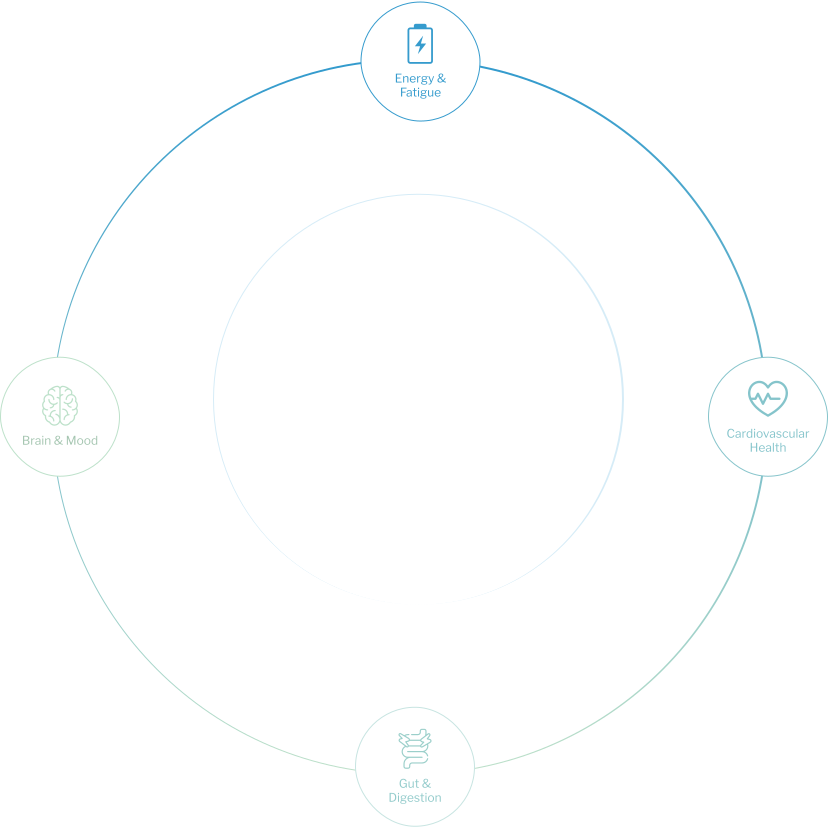
Bring all your results together to compare, track progress, export your history, and share securely.
What Healthmatters Members Are Saying

I have been using Healthmatters.io since 2021. I travel all over the world and use different doctors and health facilities. This site has allowed me to consolidate all my various test results over 14 years in one place. And every doctor that I show this to has been impressed. Because with any health professional I talk to, I can pull up historical results in seconds. It is invaluable. Even going back to the same doctor, they usually do not have the historical results from their facility in a graph format. That has been very helpful.
Anthony
Unlimited Plan Member since 2021
What fantastic service and great, easy-to-follow layouts! I love your website; it makes it so helpful to see patterns in my health data. It's truly a pleasure to use. I only wish the NHS was as organized and quick as Healthmatters.io. You've set a new standard for health tracking!
Karin
Advanced Plan Member since 2020
As a PRO member and medical practitioner, Healthmatters.io has been an invaluable tool for tracking my clients' data. The layout is intuitive, making it easy to monitor trends and spot patterns over time. The ability to customize reports and charts helps me present information clearly to my clients, improving communication and outcomes. It's streamlined my workflow, saving me time and providing insights at a glance. Highly recommended for any practitioner looking for a comprehensive and user-friendly solution to track patient labs!
Paul
Healthmatters Pro Member since 2024

We implement proven measures to keep your data safe.
At HealthMatters, we're committed to maintaining the security and confidentiality of your personal information. We've put industry-leading security standards in place to help protect against the loss, misuse, or alteration of the information under our control. We use procedural, physical, and electronic security methods designed to prevent unauthorized people from getting access to this information. Our internal code of conduct adds additional privacy protection. All data is backed up multiple times a day and encrypted using SSL certificates. See our Privacy Policy for more details.