
 Optimal Result:
7.5 - 50 µmol/g Crea.
Optimal Result:
7.5 - 50 µmol/g Crea.

S-Adenosylmethionine (SAM)—also known as SAMe—is a vital methyl donor molecule that supports hundreds of biochemical reactions throughout the body. Formed from the amino acid methionine and ATP, SAM plays an essential role in methylation, the process of transferring methyl groups (-CH3) to other molecules. This seemingly small chemical action regulates gene expression, neurotransmitter balance, detoxification, energy metabolism, and cell membrane integrity.
On the Neurotransmitter XL panel, SAM is a key marker for assessing methylation capacity, neurotransmitter metabolism, and cellular energy regulation. Balanced SAM levels ensure efficient breakdown and recycling of neurotransmitters like dopamine, noradrenaline, and adrenaline, as well as proper support of the BH4 (tetrahydrobiopterin) cycle—an essential cofactor system for serotonin and catecholamine synthesis.
Biochemical Role and Pathway
SAM is synthesized in the liver through the methionine cycle, in which the amino acid methionine reacts with adenosine triphosphate (ATP) to form S-adenosylmethionine. SAM then serves as the body’s primary methyl group donor, passing methyl groups to more than 100 substrates including:
-
DNA and RNA (epigenetic regulation)
-
Phospholipids (membrane fluidity)
-
Hormones and neurotransmitters (synthesis and degradation)
-
Creatine and carnitine (energy metabolism)
-
Catecholamines (dopamine, noradrenaline, adrenaline)
After donating its methyl group, SAM becomes S-adenosylhomocysteine (SAH), which is later converted back into homocysteine. This reaction is tightly linked to the availability of B vitamins—especially folate (B9), vitamin B12, and B6—that recycle homocysteine into methionine, allowing continuous SAM production.
The SAM/SAH ratio, often measured on the Neurotransmitter XL panel, reflects the body’s overall methylation capacity:
-
A high ratio indicates efficient methylation and detoxification.
-
A low ratio suggests methylation slowdown, often due to nutrient deficiencies, oxidative stress, or metabolic overload.
SAM and Neurotransmitter Balance
SAM directly affects neurotransmitter activity through several key pathways:
1. Dopamine, Noradrenaline, and Adrenaline Metabolism
-
SAM acts as a cofactor for the enzyme catechol-O-methyltransferase (COMT), which breaks down dopamine and noradrenaline.
-
Proper methylation ensures healthy neurotransmitter turnover—preventing both excess buildup and depletion.
-
Low SAM levels slow dopamine breakdown, leading to overstimulation and oxidative stress; high SAM ensures smooth neurotransmitter recycling.
2. Serotonin and BH4 Regeneration
-
SAM supports the regeneration of BH4 (tetrahydrobiopterin), a cofactor needed for serotonin and dopamine synthesis.
-
When methylation is impaired and SAM levels drop, BH4 oxidizes, reducing serotonin and catecholamine production.
3. Phosphatidylcholine and Cell Membrane Support
-
SAM donates methyl groups to convert phosphatidylethanolamine into phosphatidylcholine, maintaining neuronal membrane integrity and neurotransmitter receptor sensitivity.
Why SAM Matters for Brain and Mood Health
Balanced SAM levels are essential for:
-
Stable mood and focus (supports serotonin, dopamine, and noradrenaline synthesis and breakdown)
-
Detoxification (methylation of hormones, toxins, and drugs)
-
Mitochondrial function and ATP production (supports NAD+ regeneration and energy transfer)
-
DNA methylation and repair (epigenetic regulation of gene expression)
-
Liver health (prevents fatty liver and supports glutathione synthesis)
Low SAM levels can manifest as depressed mood, fatigue, brain fog, poor stress tolerance, and neurotransmitter imbalances, while excess SAM may indicate nutrient imbalance or slowed clearance of methyl donors.
Causes of Low SAM Levels
1. B-Vitamin Deficiency
SAM synthesis depends heavily on folate (B9), vitamin B12, and vitamin B6. Deficiency in any of these can interrupt the methionine cycle, reducing SAM availability. Elevated homocysteine or low methionine often accompanies low SAM in these cases.
2. Oxidative Stress and Inflammation
Reactive oxygen species (ROS) and chronic inflammation impair methylation enzymes and deplete BH4, indirectly reducing SAM efficiency. Elevated neopterin levels on the Neurotransmitter XL panel indicate this type of immune-driven depletion.
3. Poor Dietary Methionine Intake
Since methionine is the amino acid precursor to SAM, low protein intake or vegan diets lacking methionine-rich foods (such as eggs, fish, or legumes) can reduce SAM formation.
4. Methylation Overload or Genetic Polymorphisms
Genetic variants in MTHFR, MTR, or COMT genes can alter methylation efficiency, affecting SAM levels. In such cases, SAM turnover may be excessive or impaired, depending on the specific variant.
5. Mitochondrial Dysfunction
SAM production is ATP-dependent. Impaired mitochondrial energy generation—often seen in chronic fatigue or stress—can therefore lower SAM availability, reducing the body’s methylation and detoxification capacity.
Symptoms of Low SAM Levels
Because SAM touches nearly every metabolic system, symptoms of low levels are wide-ranging:
-
Low mood or depression (especially with low serotonin or dopamine)
-
Fatigue and mental fog
-
Low motivation or apathy
-
Increased stress sensitivity
-
Insomnia or poor sleep regulation
-
Difficulty detoxifying caffeine, alcohol, or medications
-
Elevated homocysteine
-
Sluggish liver function or digestive complaints
Low SAM often coexists with low BH4, NAD+, or B-vitamin markers, indicating global methylation slowdown and reduced cellular energy turnover.
Interpretation Context on Neurotransmitter XL
| Related Marker | Interpretation Insight |
|---|---|
| SAH (S-Adenosylhomocysteine) | High SAH with low SAM indicates methylation blockage or B-vitamin deficiency. |
| SAM/SAH Ratio | A low ratio reflects poor methylation efficiency; a high ratio suggests adequate methylation capacity. |
| Methylmalonic Acid | Elevated levels indicate vitamin B12 deficiency, impairing methionine recycling. |
| Cystathionine | Elevated levels can reflect vitamin B6 deficiency, slowing homocysteine clearance. |
| Neopterin | Elevated levels signal immune activation and BH4 depletion, reducing SAM effectiveness. |
| Dopamine / Noradrenaline / Adrenaline | Altered neurotransmitter breakdown patterns reflect methylation-dependent COMT activity. |
Analyzing SAM within this broader biochemical context helps identify whether low levels arise from nutrient insufficiency, inflammation, mitochondrial stress, or genetic methylation variants.
Clinical and Metabolic Implications
Low SAM levels can contribute to:
-
Neurotransmitter imbalance (dopamine, serotonin, and noradrenaline)
-
Depression and anxiety (common in methylation deficiency states)
-
Fatigue and cognitive decline
-
Elevated homocysteine and cardiovascular risk
-
Hormonal imbalance (due to poor detoxification of estrogens and cortisol)
-
Liver and metabolic dysfunction
-
Impaired DNA repair and cellular aging
Chronic methylation impairment can lead to both neurochemical and metabolic fatigue, affecting mood stability, energy, and detoxification pathways.
Supportive Strategies to Discuss with Your Clinician
1. Replete Methylation Nutrients
-
Vitamin B12 (methylcobalamin)
-
Folate (5-MTHF form)
-
Vitamin B6 (P5P form)
-
Riboflavin (B2)
-
Magnesium and zinc for enzyme support
2. Support Methionine and SAM Synthesis
-
Include methionine-rich foods such as fish, eggs, poultry, and legumes.
-
Supplement with trimethylglycine (TMG or betaine) to enhance homocysteine recycling.
3. Protect Against Oxidative Stress
-
Use antioxidants (vitamin C, NAC, alpha-lipoic acid, CoQ10) to preserve BH4 and methylation integrity.
-
Address chronic inflammation or immune activation that depletes methyl donors.
4. Support Mitochondrial Energy Production
-
Maintain optimal ATP generation with nutrients like B-vitamins, L-carnitine, CoQ10, and NAD+ precursors.
-
Manage chronic fatigue and overtraining, which increase SAM demand.
5. Consider SAM Supplementation
Under medical guidance, SAMe supplementation (typically 200–800 mg/day) may help restore methylation balance, improve mood, and support detoxification, especially when combined with adequate B-vitamin cofactors.
Key Takeaway
S-Adenosylmethionine (SAM) is the body’s master methyl donor—crucial for maintaining neurotransmitter balance, mood stability, and cellular detoxification. Low SAM levels often reflect methylation inefficiency, B-vitamin deficiency, or chronic oxidative and inflammatory stress.
Interpreting SAM alongside SAH, methylmalonic acid, cystathionine, neopterin, and catecholamines on the Neurotransmitter XL panel provides a comprehensive picture of methylation health, neurotransmitter metabolism, and cellular energy status.
Lab Results Explained and Tracked

All Your Lab Results.
One Simple Dashboard.
Import, Track, and Share Your Lab Results Easily
Import, Track, and Share Your Lab Results
Import lab results from multiple providers, track changes over time, customize your reference ranges, and get clear explanations for each result. Everything is stored securely, exportable in one organized file, and shareable with your doctor—or anyone you choose.
Cancel or upgrade anytime

What does it mean if your S- Adenosylmethionine result is too low?
A low level of S-Adenosylmethionine (SAM) on the Neurotransmitter XL panel suggests a methylation deficit—meaning the body’s ability to transfer methyl groups (-CH3) to other molecules is reduced. Because SAM is the body’s primary methyl donor, low levels affect a wide range of biological systems, including neurotransmitter balance, DNA regulation, detoxification, hormone metabolism, and energy production.
SAM is produced from the amino acid methionine and ATP, and its regeneration depends on folate (vitamin B9), vitamin B12, and vitamin B6. When SAM is low, the downstream effects often include reduced dopamine and serotonin turnover, fatigue, low mood, and impaired stress tolerance. In clinical terms, low SAM is a sign that the methylation and energy systems are under strain, either due to nutrient deficiency, oxidative stress, or chronic inflammation.
Biochemical Role and Impact of Deficiency
In healthy metabolism, SAM donates methyl groups to hundreds of reactions, supporting:
-
Neurotransmitter synthesis and breakdown (dopamine, noradrenaline, serotonin)
-
BH4 (tetrahydrobiopterin) regeneration, crucial for serotonin and catecholamine synthesis
-
DNA methylation, which regulates gene expression and cellular repair
-
Phosphatidylcholine formation, maintaining cell membrane structure
-
Detoxification of hormones, estrogens, and xenobiotics in the liver
When SAM levels drop, methylation slows, leading to biochemical bottlenecks in neurotransmitter metabolism, energy generation, and detoxification pathways. Low SAM also weakens COMT enzyme activity, which depends on methyl donors to break down catecholamines, potentially resulting in an imbalance between neurotransmitter production and clearance.
Common Causes of Low SAM
1. B-Vitamin Deficiency
Low SAM often stems from inadequate intake or utilization of folate (B9), vitamin B12, or vitamin B6—the key cofactors that recycle homocysteine back into methionine, allowing new SAM formation.
-
Low folate or B12 impairs methionine synthase activity, reducing SAM regeneration.
-
B6 deficiency slows the transsulfuration pathway, further disrupting methylation balance.
Elevated homocysteine or methylmalonic acid on lab results often confirms this pattern.
2. Oxidative Stress and Chronic Inflammation
High oxidative stress damages methylation enzymes and depletes BH4, indirectly reducing SAM activity.
Markers such as elevated neopterin or low BH4 on the Neurotransmitter XL panel suggest that inflammation-driven oxidation is compromising SAM efficiency. This mechanism is common in chronic stress, infection, autoimmune conditions, and overtraining.
3. Low Methionine or Protein Intake
SAM synthesis begins with the amino acid methionine, so inadequate dietary protein—or vegan and vegetarian diets low in methionine-rich foods (fish, eggs, legumes, and nuts)—can reduce precursor availability. Malabsorption syndromes, such as celiac disease or gut inflammation, can have a similar effect.
4. Mitochondrial Energy Deficit
Because SAM synthesis requires ATP, mitochondrial dysfunction or low cellular energy availability directly impairs methylation.
In such cases, NAD+, CoQ10, and carnitine status should also be evaluated, as they support the energetic foundation for methylation.
5. Genetic Polymorphisms (MTHFR, MTR, COMT)
Certain genetic variants can slow key steps in methylation:
-
MTHFR C677T/A1298C reduces the conversion of folate into its active form (5-MTHF).
-
MTR and MTRR variants impair B12 recycling and methionine synthesis.
-
COMT variants alter dopamine metabolism, increasing demand for methyl donors and depleting SAM faster.
Individuals with these polymorphisms are more vulnerable to methylation inefficiency, especially under oxidative or nutrient stress.
Symptoms of Low SAM Levels
Because SAM influences so many systems, its deficiency can manifest as both neurochemical and systemic symptoms:
Neurological and Emotional Symptoms:
-
Depressed mood, low motivation, or emotional flatness
-
Brain fog, poor memory, or slow cognition
-
Anxiety or poor stress tolerance
-
Fatigue and apathy (“can’t get going” feeling)
-
Sleep disruption or non-restorative rest
Metabolic and Systemic Symptoms:
-
Elevated homocysteine
-
Hormonal imbalance (especially estrogen dominance)
-
Slow detoxification of medications or alcohol
-
Liver sluggishness or fat accumulation
-
Reduced resilience to inflammation and oxidative stress
Low SAM states are often associated with low serotonin and dopamine output, leading to reduced mood stability and drive, as well as impaired energy metabolism due to methylation-dependent enzyme dysfunction.
Interpretation Context on Neurotransmitter XL
| Related Marker | Interpretation Insight |
|---|---|
| SAH (S-Adenosylhomocysteine) | High SAH with low SAM indicates methylation inhibition, often from B-vitamin deficiency or oxidative stress. |
| SAM/SAH Ratio | A low ratio confirms slowed methylation capacity. |
| Homocysteine | Elevated levels signal poor methionine recycling and low SAM synthesis. |
| Methylmalonic Acid | Elevated levels indicate B12 deficiency affecting methylation. |
| Cystathionine | High levels suggest B6 deficiency impeding the transsulfuration pathway. |
| Neopterin | Elevated neopterin reflects immune activation that consumes BH4 and reduces SAM efficiency. |
| BH4 / Dopamine / Serotonin | Low BH4 and neurotransmitter levels confirm reduced methylation support for neurotransmitter synthesis. |
These relationships clarify whether SAM depletion is primarily driven by nutrient insufficiency, inflammation, energy deficits, or genetic predisposition.
Clinical and Metabolic Implications
Persistently low SAM levels can contribute to a range of clinical issues:
-
Depression or anxiety, due to reduced serotonin and dopamine methylation balance
-
Chronic fatigue and poor focus, from mitochondrial and neurotransmitter slowdown
-
Elevated homocysteine, increasing cardiovascular risk
-
Impaired detoxification, causing hormonal imbalance and toxin accumulation
-
Poor DNA repair, accelerating oxidative aging
-
Liver dysfunction or fatty liver, due to impaired methylation of phospholipids and lipids
Over time, inadequate SAM availability affects both neurological performance and cellular repair, contributing to cognitive and metabolic decline.
Supportive Strategies to Discuss with Your Clinician
1. Optimize Methylation Cofactors
-
Folate (5-MTHF) – active methyl donor form
-
Vitamin B12 (methylcobalamin or adenosylcobalamin)
-
Vitamin B6 (P5P)
-
Riboflavin (B2) – supports MTHFR activity
-
Magnesium and zinc – essential enzyme cofactors
2. Increase Methionine and Choline Intake
Consume foods rich in methyl donors and precursors:
-
Eggs, fish, chicken, turkey, lentils, and sunflower seeds
-
Choline (from eggs, soy, and lecithin) and betaine (TMG) to enhance SAM regeneration.
3. Support Mitochondrial Energy
-
Boost ATP production with CoQ10, NAD+, L-carnitine, and alpha-lipoic acid.
-
Address overtraining and chronic fatigue that lower energy for methylation.
4. Reduce Oxidative and Inflammatory Burden
-
Manage chronic stress, infections, or autoimmune triggers.
-
Use antioxidants (vitamin C, NAC, glutathione, and resveratrol) to protect BH4 and SAM.
5. Consider SAMe Supplementation
Under professional supervision, SAMe supplements (200–800 mg/day) can help restore methylation, support mood, and normalize neurotransmitter metabolism—particularly when combined with adequate B-vitamin cofactors.
Key Takeaway
Low SAM levels reflect impaired methylation and reduced cellular energy availability, often caused by B-vitamin deficiencies, oxidative stress, or chronic inflammation. Because SAM governs both neurotransmitter metabolism and gene regulation, its depletion can manifest as low mood, fatigue, hormonal imbalance, and reduced detoxification capacity.
Interpreting SAM alongside SAH, homocysteine, methylmalonic acid, neopterin, and BH4 on the Neurotransmitter XL panel provides a detailed understanding of where the methylation cycle is breaking down.
Article Review & Sources
All our content is backed by peer-reviewed studies, academic research, and trusted medical sources. We're committed to accuracy and transparency — see our editorial policy for details.
Laboratories
Bring All Your Lab Results Together — In One Place
We accept reports from any lab, so you can easily collect and organize all your health information in one secure spot.









Pricing Table
Gather Your Lab History — and Finally Make Sense of It
Finally, Your Lab Results Organized and Clear

Personal plans

$79/ year
Advanced Plan
Access your lab reports, explanations, and tracking tools.
- Import lab results from any provider
- Track all results with visual tools
- Customize your reference ranges
- Export your full lab history anytime
- Share results securely with anyone
- Receive 5 reports entered for you
- Cancel or upgrade anytime
$250/ once
Unlimited Account
Pay once, access everything—no monthly fees, no limits.
- Import lab results from any provider
- Track all results with visual tools
- Customize your reference ranges
- Export your full lab history anytime
- Share results securely with anyone
- Receive 10 reports entered for you
- No subscriptions. No extra fees.
$45/ month
Pro Monthly
Designed for professionals managing their clients' lab reports
- Import lab results from any provider
- Track lab results for multiple clients
- Customize reference ranges per client
- Export lab histories and reports
- Begin with first report entered by us
- Cancel or upgrade anytime
About membership
What's included in a Healthmatters membership
 Import Lab Results from Any Source
 See Your Health Timeline
 Understand What Your Results Mean

 Visualize Your Results

 Data Entry Service for Your Reports
 Securely Share With Anyone You Trust
Let Your Lab Results Tell the Full Story
Once your results are in one place, see the bigger picture — track trends over time, compare data side by side, export your full history, and share securely with anyone you trust.


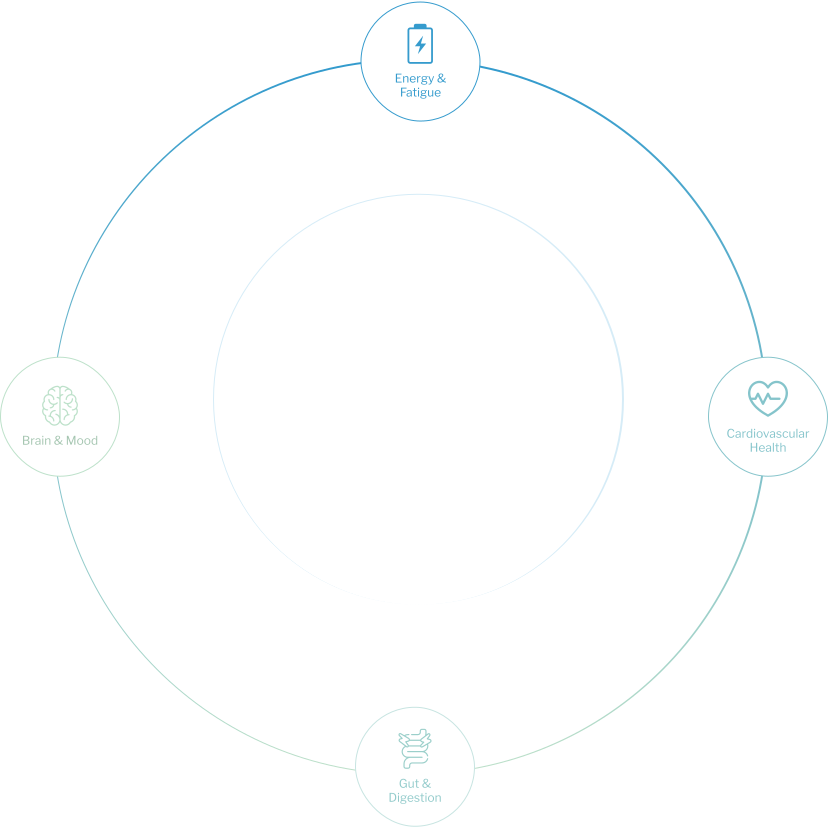
Bring all your results together to compare, track progress, export your history, and share securely.
What Healthmatters Members Are Saying

I have been using Healthmatters.io since 2021. I travel all over the world and use different doctors and health facilities. This site has allowed me to consolidate all my various test results over 14 years in one place. And every doctor that I show this to has been impressed. Because with any health professional I talk to, I can pull up historical results in seconds. It is invaluable. Even going back to the same doctor, they usually do not have the historical results from their facility in a graph format. That has been very helpful.
Anthony
Unlimited Plan Member since 2021
What fantastic service and great, easy-to-follow layouts! I love your website; it makes it so helpful to see patterns in my health data. It's truly a pleasure to use. I only wish the NHS was as organized and quick as Healthmatters.io. You've set a new standard for health tracking!
Karin
Advanced Plan Member since 2020
As a PRO member and medical practitioner, Healthmatters.io has been an invaluable tool for tracking my clients' data. The layout is intuitive, making it easy to monitor trends and spot patterns over time. The ability to customize reports and charts helps me present information clearly to my clients, improving communication and outcomes. It's streamlined my workflow, saving me time and providing insights at a glance. Highly recommended for any practitioner looking for a comprehensive and user-friendly solution to track patient labs!
Paul
Healthmatters Pro Member since 2024

We implement proven measures to keep your data safe.
At HealthMatters, we're committed to maintaining the security and confidentiality of your personal information. We've put industry-leading security standards in place to help protect against the loss, misuse, or alteration of the information under our control. We use procedural, physical, and electronic security methods designed to prevent unauthorized people from getting access to this information. Our internal code of conduct adds additional privacy protection. All data is backed up multiple times a day and encrypted using SSL certificates. See our Privacy Policy for more details.