Talk to your healthcare practitioner about a potential treatment plan. A high level of LDL-C can increase your risk for coronary heart disease. If your LDL-C is high enough, a statin prescription may be desirable. Statins lower your cholesterol by inhibiting the liver enzyme responsible for the production of cholesterol.
- Reducing your LDL-C will reduce your risk for coronary heart disease. [L]
- Dietary cholesterol consumption has a clear connection to blood cholesterol concentrations [L]
- Multiple studies have linked dietary patterns with incidence of coronary heart disease and found that groups consuming predominantly plant-based foods, versus animal-based, have lower rates of heart disease. [L]
Various studies [L, L, L, L, L, L, L, L, L] have shown that nutritional and lifestyle interventions have halted and even reversed coronary artery disease (CAD). The interventions included among other things:
- low-fat vegan whole-foods plant-based diet,
- stopping smoking,
- stress management training,
- and moderate exercise
The easiest lifestyle adjustment you can make to lower LDL-C is to eat better and exercise more.
Specifically:
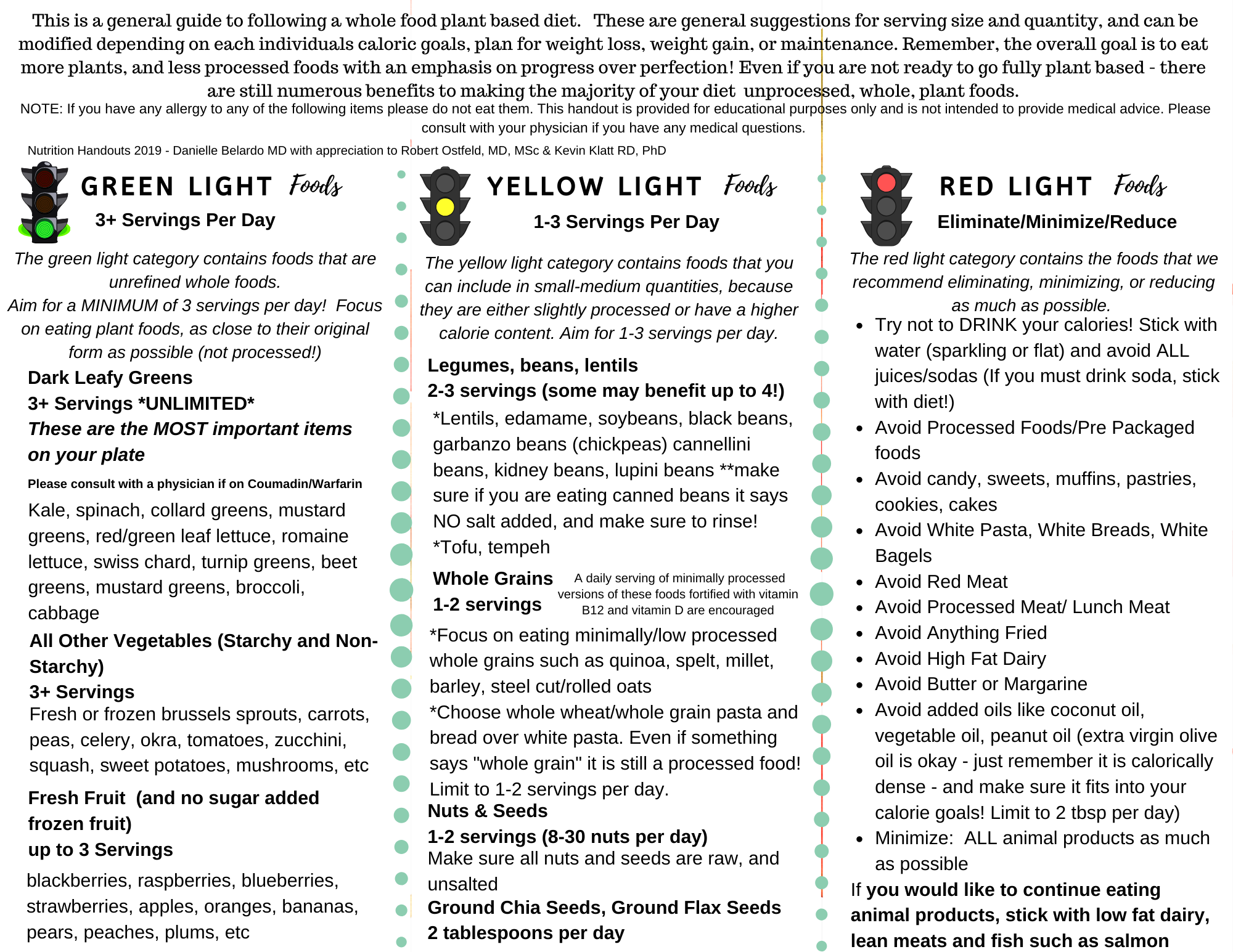
- Eat foods that are low in saturated fat, trans fats, and dietary cholesterol. Here is a general guide to following a whole food plantbased diet.
- Remove all type of meats from diet [L]
- Remove coconut oil from diet. [L]
- Eat fiber rich food
- Exercise at least 2.5 hours / week
- Lower stress
- Limit alcohol intake
- Quit smoking
In addition to the above there are a few "adjuvants" that can help to lower LDL-C:
- a comparative clinical study [L] has shown that Amla ("Indian Gooseberries") can help lower LDL-C and can offer significant protection against atherosclerosis and coronary artery disease.
- Psyllium can have long-term cholesterol-lowering effects [L]
- Black Cumin powder (Nigella sativa) has a significant impact on plasma lipid concentrations, leading to lower total cholesterol, LDL-C, and TG levels while increased HDL-C is associated [L].
- Niacin. [L, L]
- Niacin has been widely used as a pharmacologic agent to regulate abnormalities in plasma lipid and lipoprotein metabolism and in the treatment of atherosclerotic cardiovascular disease. Although the use of niacin in the treatment of dyslipidemia has been reported as early as 1955, only recent studies have yielded an understanding about the cellular and molecular mechanism of action of niacin on lipid and lipoprotein metabolism. In brief, the beneficial effect of niacin to reduce triglycerides and apolipoprotein-B containing lipoproteins (e.g., VLDL and LDL) are mainly through: a) decreasing fatty acid mobilization from adipose tissue triglyceride stores, and b) inhibiting hepatocyte diacylglycerol acyltransferase and triglyceride synthesis leading to increased intracellular apo B degradation and subsequent decreased secretion of VLDL and LDL particles. The mechanism of action of niacin to raise HDL is by decreasing the fractional catabolic rate of HDL-apo AI without affecting the synthetic rates. Additionally, niacin selectively increases the plasma levels of Lp-AI (HDL subfraction without apo AII), a cardioprotective subfraction of HDL in patients with low HDL. Using human hepatocytes (Hep G2 cells) as an in vitro model system, recent studies indicate that niacin selectively inhibits the uptake/removal of HDL-apo AI (but not HDL-cholesterol ester) by hepatocytes, thereby increasing the capacity of retained HDL-apo AI to augment cholesterol efflux through reverse cholesterol transport pathway. [L]
Disclaimer: Please consult your doctor before starting any treatment plan.
Note to vegans: If you are already following a plantbased diet, keep in mind that not all vegan foods are necessary beneficial for your health. This might include juices/sweetened beverages, refined grains, potatoes/fries, sweets. [L, L]

 LDL(Atherogenic)